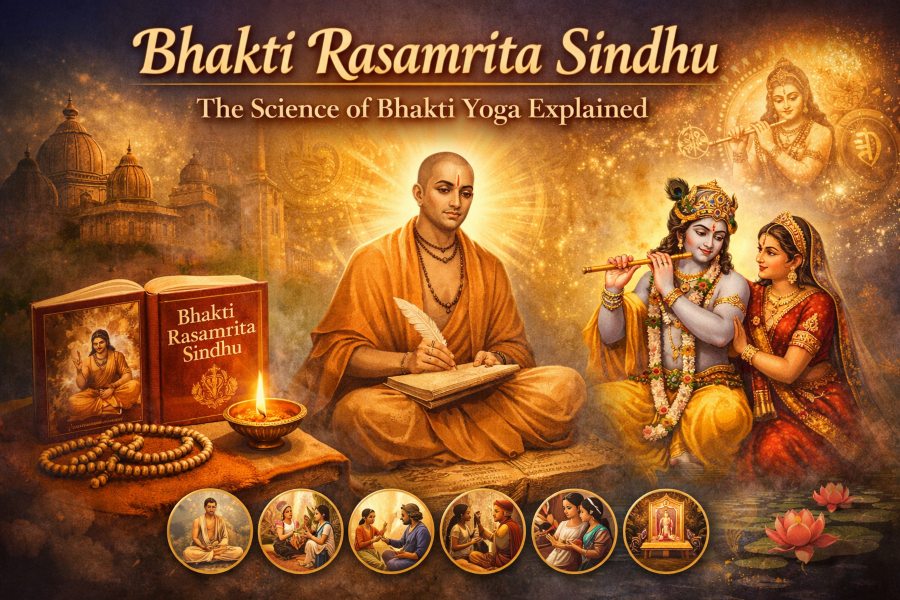
How Bhakti Rasamrita Sindhu Reveals the Science of Bhakti Yoga
In the vast tradition of Vedic spiritual literature, few texts explain devotional service as systematically as Bhakti Rasamrita Sindhu. Written by the great Vaishnava acharya Rupa Goswami, this sacred text presents the philosophy and practical path of Bhakti Yoga in a structured and deeply analytical way. Rather than describing devotion merely as emotional worship, the book explains that bhakti is a precise spiritual science—one that follows clear principles, stages, and transformative practices.
The teachings found in this work have guided millions of spiritual seekers for centuries. Devotees studying these teachings often explore authentic editions and devotional literature available through trusted sources such as Visit Mayapur Store, where many classical Vaishnava scriptures and devotional books are accessible to readers worldwide.
What makes Bhakti Rasamrita Sindhu extraordinary is its ability to transform devotion from a vague spiritual idea into a clear and systematic path of self-realization. By examining the nature of devotion, the qualities of a pure devotee, and the stages of spiritual advancement, the text provides a roadmap for anyone seeking to develop a deep relationship with the Supreme.
This article explores how Bhakti Rasamrita Sindhu reveals the scientific structure of Bhakti Yoga and why it remains one of the most important devotional texts in the Vaishnava tradition.
Background of Bhakti Rasamrita Sindhu
Bhakti Rasamrita Sindhu was written in the 16th century by Srila Rupa Goswami, one of the principal disciples of Sri Chaitanya Mahaprabhu. During a time when devotional spirituality was spreading across India, Rupa Goswami organized the teachings of devotion into a clear philosophical framework.
Sri Chaitanya Mahaprabhu emphasized pure devotional service as the highest form of spiritual realization. However, the detailed explanation of how devotion develops—its characteristics, stages, and practices—was presented systematically by Rupa Goswami.
The title itself carries deep meaning:
- Bhakti – Devotional service to the Supreme
- Rasamrita – The nectar of spiritual emotions
- Sindhu – An ocean
Together, the name describes the text as “The Ocean of the Nectar of Devotion.” The work explains that bhakti is not limited to rituals or cultural tradition. Instead, it is a living spiritual science that transforms the heart and consciousness of the practitioner.
By presenting devotion in a structured philosophical form, Rupa Goswami ensured that the teachings of Bhakti Yoga would remain accessible and understandable for generations of seekers.
Bhakti Yoga as a Spiritual Science
One of the most important contributions of Bhakti Rasamrita Sindhu is its explanation that devotion follows a scientific process. Just as material sciences rely on laws and principles, Bhakti Yoga also progresses according to universal spiritual laws.
The text describes how spiritual transformation occurs when one engages in specific devotional activities. These practices gradually purify the heart and awaken love for the Divine.
Unlike emotional spirituality that depends only on feelings, Bhakti Yoga combines:
- Philosophy
- Practice
- Discipline
- Spiritual realization
Through this approach, devotion becomes measurable through inner transformation. Practitioners begin to experience peace, detachment from material distractions, and increasing attraction toward spiritual life.
This systematic approach is why many scholars describe Bhakti Rasamrita Sindhu as one of the most analytical devotional texts in the Vedic tradition.
The Definition of Pure Devotion
A central feature of Bhakti Rasamrita Sindhu is its famous definition of pure devotional service. The text explains that genuine bhakti must be free from selfish desires and material motivations.
Pure devotion is described as service performed with the sole intention of pleasing the Supreme Lord. It is not driven by desires for wealth, fame, or even liberation from the cycle of birth and death.
Instead, true devotion arises from love.
The characteristics of pure bhakti include:
- Absence of material desires
- Freedom from selfish motivation
- Continuous engagement in devotional service
- Complete dedication to the Divine
This definition provides a clear spiritual standard. By understanding what pure devotion truly means, practitioners can evaluate their own progress and refine their intentions.
The Sixty-Four Practices of Devotional Service
Another remarkable aspect of Bhakti Rasamrita Sindhu is the detailed list of sixty-four devotional practices. These practices form the foundation of daily spiritual life for many devotees.
Some of the most prominent practices include:
- Hearing spiritual scriptures
- Chanting the holy names of God
- Remembering divine pastimes
- Worshiping the deity
- Offering prayers
- Serving spiritual teachers
- Associating with devotees
These practices are not random rituals. Each activity has a specific purpose—to gradually purify the heart and awaken spiritual consciousness.
Among these sixty-four practices, five are considered especially powerful:
- Chanting the holy names
- Hearing sacred scriptures
- Association with devotees
- Worshiping the deity
- Living in holy places
According to the text, even a small amount of sincere engagement in these practices can awaken devotion.
The Stages of Spiritual Progress in Bhakti Yoga
Bhakti Rasamrita Sindhu explains that devotion develops through a series of progressive stages. These stages describe the transformation of a practitioner from initial curiosity to pure spiritual love.
The stages include:
- Faith (Shraddha) – The initial interest in spiritual life
- Association (Sadhu Sangha) – Learning from advanced devotees
- Practice (Bhajana Kriya) – Beginning regular devotional activities
- Purification (Anartha Nivritti) – Removing unwanted habits
- Steadiness (Nishtha) – Firm commitment to spiritual practice
- Taste (Ruchi) – Developing genuine attraction for devotion
- Attachment (Asakti) – Deep emotional connection with the Divine
- Spiritual Emotion (Bhava) – Awakening spiritual love
- Pure Love (Prema) – The highest stage of devotion
This progression demonstrates the scientific structure of Bhakti Yoga. Just as a seed gradually grows into a tree, devotion also develops step by step.
The Concept of Spiritual Emotions (Rasa)
One of the most unique contributions of Bhakti Rasamrita Sindhu is its explanation of rasa, or spiritual emotion.
Rupa Goswami explains that devotion is not merely duty or discipline. At its highest stage, it becomes a deeply emotional relationship with the Supreme.
These spiritual relationships include:
- Peaceful devotion
- Servitorship
- Friendship
- Parental affection
- Divine love
Each relationship represents a different way the soul can experience intimacy with the Divine.
This concept transforms spirituality from a philosophical system into a personal relationship based on love.
Why Bhakti Rasamrita Sindhu Remains Relevant Today
Even though the text was written centuries ago, its teachings remain incredibly relevant in modern times.
In a world filled with stress, distraction, and material competition, many people search for deeper meaning and inner peace. Bhakti Yoga offers a practical spiritual path that can be integrated into everyday life.
The principles described in Bhakti Rasamrita Sindhu help individuals:
- Develop spiritual discipline
- Cultivate compassion and humility
- Experience inner peace
- Build a personal relationship with the Divine
Unlike philosophies that focus only on intellectual understanding, Bhakti Yoga emphasizes practical spiritual experience.
Through chanting, meditation, and devotional service, practitioners gradually experience the transformation described in the text.
The Global Influence of Bhakti Rasamrita Sindhu
Over the past century, Bhakti Rasamrita Sindhu has reached readers across the world through translations and commentaries.
Many spiritual teachers have shared its teachings internationally, introducing Bhakti Yoga to people from diverse cultural backgrounds.
Today, the principles of devotion described in the text influence spiritual communities, meditation practitioners, and scholars studying comparative religion.
Its universal message—that love for the Divine is the highest purpose of life—continues to inspire seekers everywhere.
Applying the Teachings in Daily Life
The true value of Bhakti Rasamrita Sindhu lies in its practical application. Devotion is not meant to remain theoretical; it must become part of everyday life.
Simple daily practices can help individuals experience the transformative power of Bhakti Yoga.
These include:
- Regular chanting or meditation
- Reading spiritual literature
- Serving others with compassion
- Maintaining humility and gratitude
- Associating with spiritually minded people
Through consistent practice, the teachings gradually become living experiences rather than abstract concepts.
Conclusion: The Timeless Ocean of Devotion
Bhakti Rasamrita Sindhu stands as one of the most profound explanations of devotional spirituality ever written. By presenting Bhakti Yoga as a structured and progressive science, the text helps seekers understand how devotion develops and how spiritual love can awaken within the heart.
Rupa Goswami’s systematic presentation of devotional practices, spiritual emotions, and stages of progress provides a clear roadmap for anyone seeking a deeper spiritual connection.
More than five centuries after its composition, the wisdom contained in Bhakti Rasamrita Sindhu continues to guide spiritual aspirants around the world. Its teachings remind us that true fulfillment does not arise from material achievements but from the awakening of divine love.
For those who sincerely explore its teachings, Bhakti Rasamrita Sindhu truly becomes an ocean of spiritual nectar—offering guidance, inspiration, and the ultimate path toward pure devotion.
 VedSoul – Vedic Wisdom for the Modern Soul